Who will ask, and what they will ask
- Funders and public programmes will ask where the training data came from. Teams that build with public support, including those backed by the IndiaAI Mission, work under public attention.
- Enterprise customers will ask for provenance before they deploy your model in a regulated business.
- Publishers will ask what you took from their sites and what their sites said at the time.
- Investors will ask in diligence, and a gap found late lowers the value of the company.
- European regulators will read your public summary of training content if you place your model on the EU market.
The Indian position in brief
Section 43 of the Information Technology Act turns on the owner's permission. The interim ruling in ANI Media v OpenAI treated training on freely available content as fair dealing on a first view, on facts that included a publisher that had not opted out, and it is under appeal. Indian news sites and government portals, which are often the richest sources of Indian-language text, are also the ones most likely to refuse AI training in their terms or to cite the Act. RightSignal reads those terms in Hindi and English, and it tells you which sources to leave out before you train.
The EU position in brief
EU law lets rightsholders reserve their content from text and data mining. The AI Act requires providers of general-purpose models to respect those reservations and to publish how they did so, and it applies wherever the model was trained once the model is placed on the EU market. RightSignal reads reservations in files, headers, tags and a site's own words, and gives you a record for each source.
Why the Bridge profile suits a growing Indian team
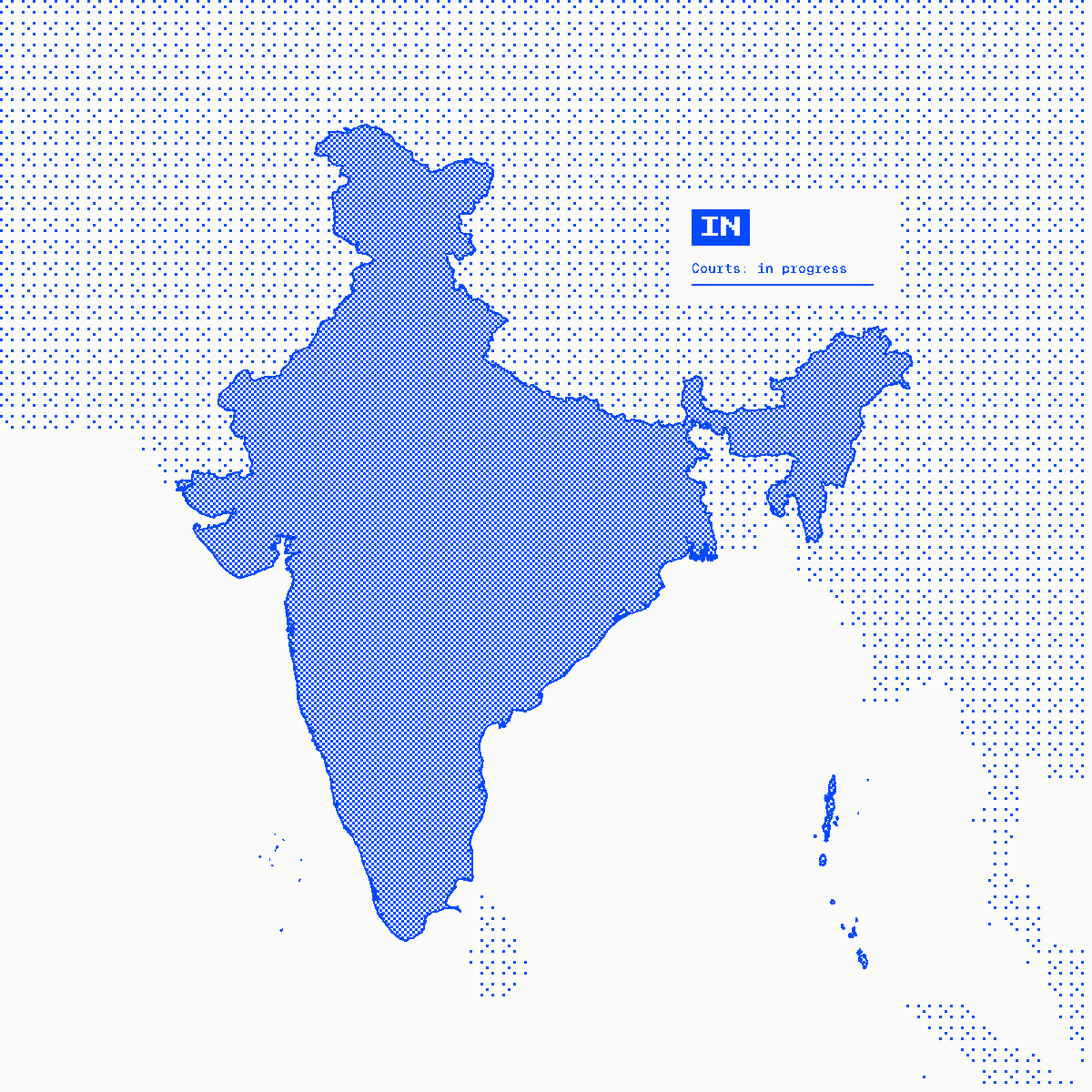
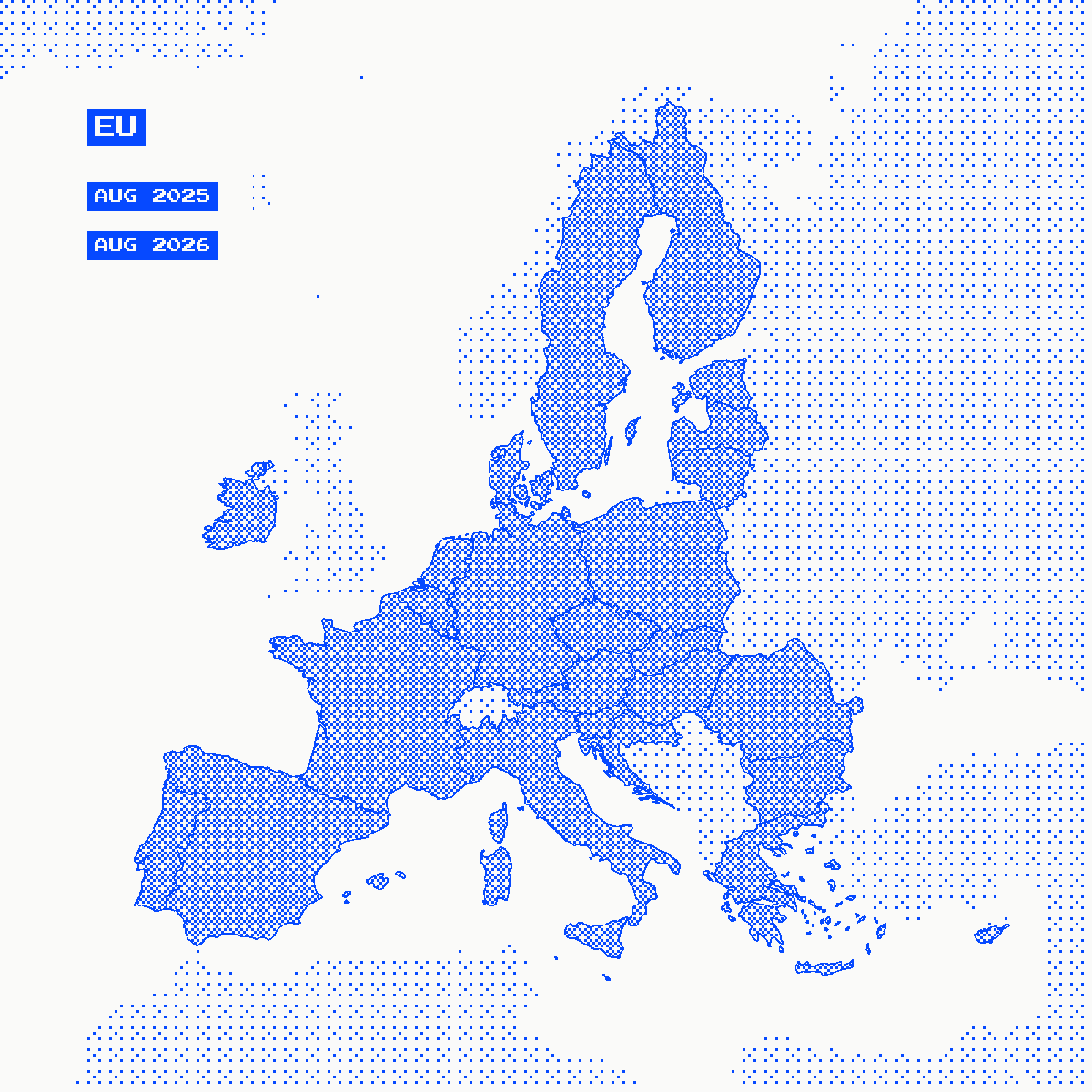
Most Indian model builders will begin with Indian customers and look to Europe later. The India and EU Bridge applies the stricter reading of the two at every step. You lose a few sources that the India profile alone would have allowed. In return, every source in your dataset already has a record of the reservations EU law asks about. Rebuilding that record after training is far harder, because a site's past signals are rarely preserved.
example.in
- robots.txt
- Allows your crawler
- Reservation file
- None found
- Terms and policies
- Read. Nothing against your purpose.
- Access barrier
- None found
AI training
Collect on conditionsunder the India profile
Illustrations. The receipt for a real site shows the outcome for that site and the wording it rests on.
Where RightSignal fits your pipeline
Plan. Run your candidate sources through Gate for AI training and remove the ones that return a stop.
Collect. Let your crawler ask Gate for each site's current answer, and store the receipt number with each item.
Audit what you already hold. If you have trained on Common Crawl or on older crawls, ask for a Trace assessment and apply its exclusion list.
Refresh. Ask again before each refresh, because decisions expire and sites change.
Answer. When a question arrives, produce the receipt. If it becomes a dispute, talk to us. Matters is coming soon.
What to expect
RightSignal is strict by design. You will keep fewer sources than an unchecked crawl would take. The sources you keep are ones you can stand behind, and you will know why each of the others was left out.